It was the night my friends and I had been waiting for all year long– high school graduation.

View From The Lake
Finally having some sense of freedom after four years of yearning for that feeling. We drove in my best friend’s white Subaru around our town after the ceremony was done, with the windows down, not caring about anything. “Everybody Wants to Rule the World” by Tears For Fears blasted on a continuous loop. We passed places that were so familiar to us, but something felt different– we were grown up. My best friends and I realised that in just two short months we would all go our separate ways, but it was our mission to have the best summer of our lives.
Then came July. Our entire friend group rented a mountain house for a week and it was everything we had been hoping for. The perfect combination of comfort (knowing we had time to spend with each other while we were still in the moment), and eventual chaos (knowing we were all going separate ways for school). We were all sitting by the lake and once again, “Everybody Wants to Rule the World” came blasting through the speakers. I felt as though I was free. I was surrounded by my closest friends, in the middle of nowhere Pennsylvania where the stars were lighting up the sky. I like to think it was a magical moment for all of us and a reminder of how lucky we were to share this type of bond that made saying goodbye so incredibly hard.
Then came August. This was the month I was dreading the most. I would have to say goodbye to my family, my best friends, my boyfriend– everyone that provided a sense of familiarity to me. I was terrified to move almost 700 miles away, and felt like I was still just a young girl. I drove down to South Carolina with my dad reluctantly after bawling my eyes out and briefly considering not even going to college. I had been blaring my best friend’s playlist, the one my friends and I had listened to all summer. “Everybody Wants to Rule the World” came on. I suddenly felt okay– like a weight had been lifted from my chest. “I’ll always have home, I’ll always have these people,” I remember thinking to myself as I started an entirely new journey.
Reflecting on this time in my life is always a difficult thing for me. I ended up falling in love with Charleston so much that I stayed here both summers following my freshman and sophomore year. Naturally, my friend group started to fall out of touch, as lots of high school friendships do. Without fail, every single time I hear “Everybody Wants to Rule the World,” I get hit with an intense wave of nostalgia, wishing I could return to my senior year self. What once was a happy, comforting song for me has turned into a reminder of my past and how I will never get that part of my youth back. I find myself thinking about my old friends, wanting to reach out, but not knowing if my once best friends would respond. I think about home– how it is not what it once was. The older I get the more I seem to want my adolescent back, and music plays a key role in these feelings for me.
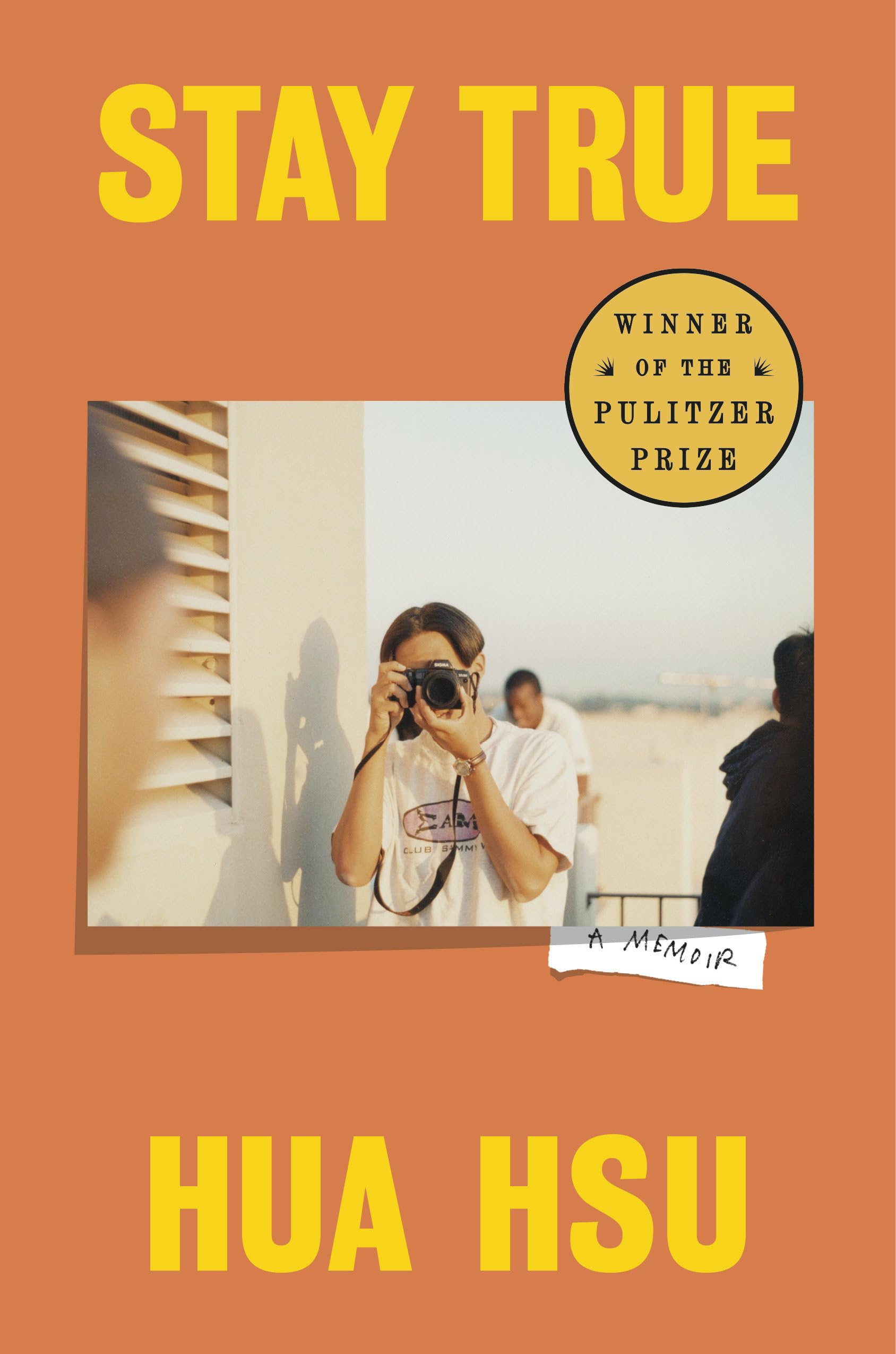 In Hsu’s “Stay True,” one of the central themes is framed around the role of music. Music is not just seen as “background noise” in this autobiography; it is representative of things like youth, memories, and contradicting emotions. When discussing the association between friendship and music, Hsu writes, “Some friends complete us, while others complicate us. Maybe you feel as if there were nothing better in the world than driving in a car, listening to music with friends, looking for an all-night donut shop. Nobody says a thing, and it is perfect. Maybe your lifelong fascination with harmony finally began to make sense in those scenes, packed in your family’s station wagon, singing along to ‘God Only Knows,’ waiting in the parking lot until the song was over.” It seems he is describing a simple, unspoken moment with friends that brought him a sense of peace. I understand this feeling more than anyone knows– those are often the types of moments I look back on with my high school friends and find myself missing the most. In the section entitled Experience As Interpretation in “Reading Autobiography Now,” the authors discuss the idea that different autobiographical works often feed off of one another when it comes to understanding our own, personal experiences. In reading “Stay True,” I felt as though I was of course reflecting on his past, but simultaneously reflecting on mine. It was a true telling of how interconnected we can all feel, even when our differences seem vast.
Thank you for sharing this beautifully written blog post that explores the connection between music, memory, and transitions in life. Your piece effectively captures that bittersweet feeling of growing up and moving away from the familiar comforts of home and friendship.
The way you weave “Everybody Wants to Rule the World” as a recurring motif throughout your narrative is particularly powerful. This song becomes more than just music – it transforms into a time machine that instantly transports you back to specific moments with your friends and evokes complex emotions.
I appreciate how you connect your personal experience to Hua Hsu’s memoir, highlighting how music serves as more than background noise but as a representation of youth, memories, and contradicting emotions. The parallel between your reflection on high school friendships and Hsu’s description of those simple, perfect moments with friends shows how universal these experiences can be.